
By Sarah Wong, Assistant Manager, Centre of Positive Recovery
When we think of school, we often picture laughter in the hallways, friendships forming, and young minds growing in curiosity and confidence. School should be a place where children feel safe to ask questions, make mistakes, and
discover who they are.
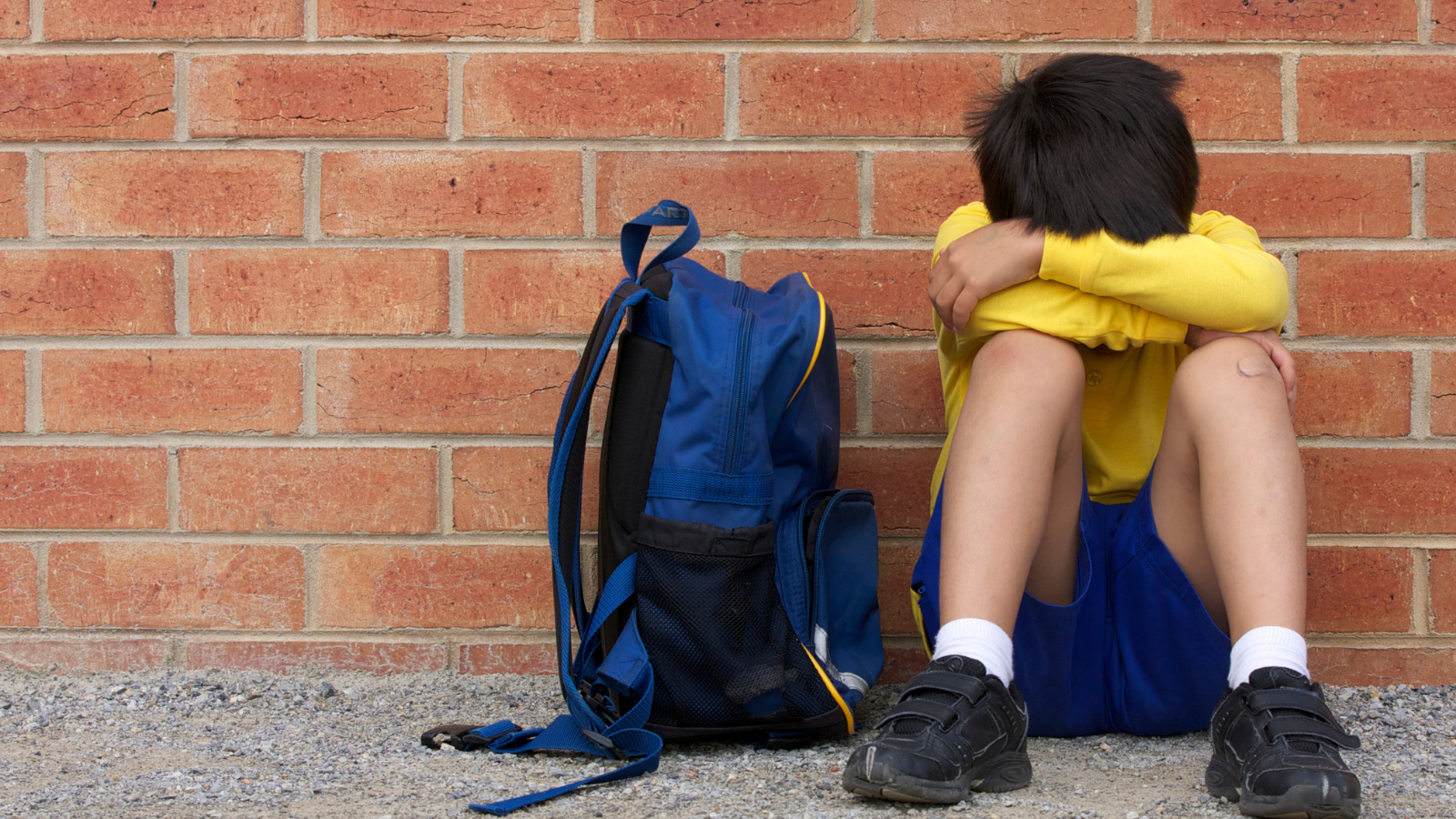
Yet for some children and youths, it becomes a space of silent distress. Experiences of peer pressure and bullying can leave invisible but lasting wounds.

When Peer Pressure Becomes Harmful
Peer pressure is a normal part of growing up. The desire to belong, be accepted, and fit in reflects a core social-emotional need that shapes identity and self-worth.
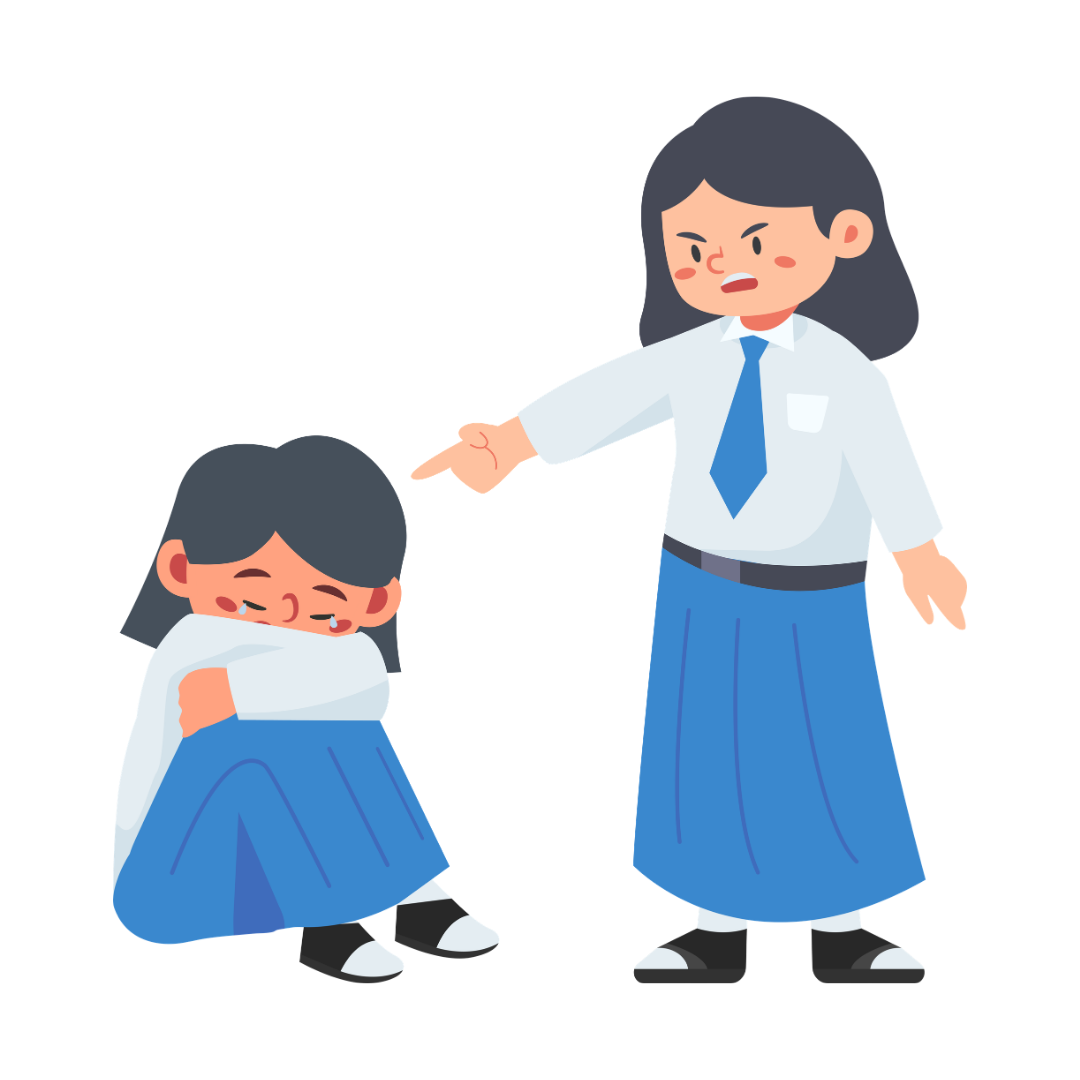
However, when a child feels compelled to conform, is repeatedly excluded, or is intimidated into doing things they are uncomfortable with, these experiences may cross the line into bullying.
Bullying can take many forms, including verbal insults, social exclusion, physical aggression, and online harassment. Without timely support, its emotional impact can persist and deepen over time.
How Trauma Can Show Up in Children
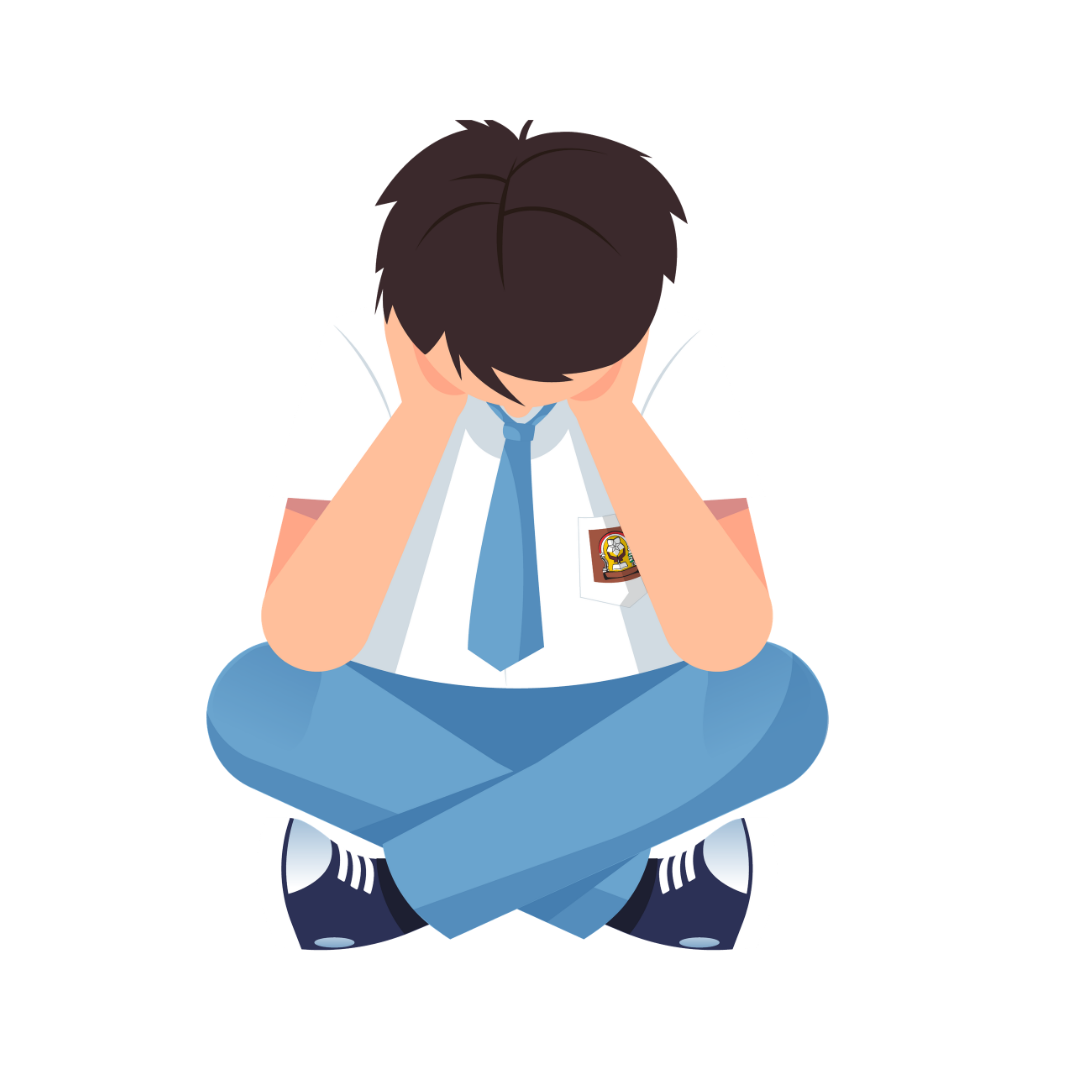
Trauma responses are not always obvious. Some children become hypervigilant, constantly scanning for signs of rejection or threat. Others withdraw, appearing quiet, disengaged, or reluctant to attend school.
Some may show irritability, defiance, or sudden emotional outbursts, while physical complaints such as headaches or stomach aches can signal underlying distress. These are often protective responses to feeling unsafe rather than intentional misbehaviour.

Recognising the Signs Early
Recognising the signs early is important. Changes in mood, sleep patterns, friendships, academic performance, or behaviour may indicate that a child is struggling. Many children do not disclose their experiences due to shame, fear of retaliation, or worry that they will not be taken seriously.

Responding with Care and Understanding
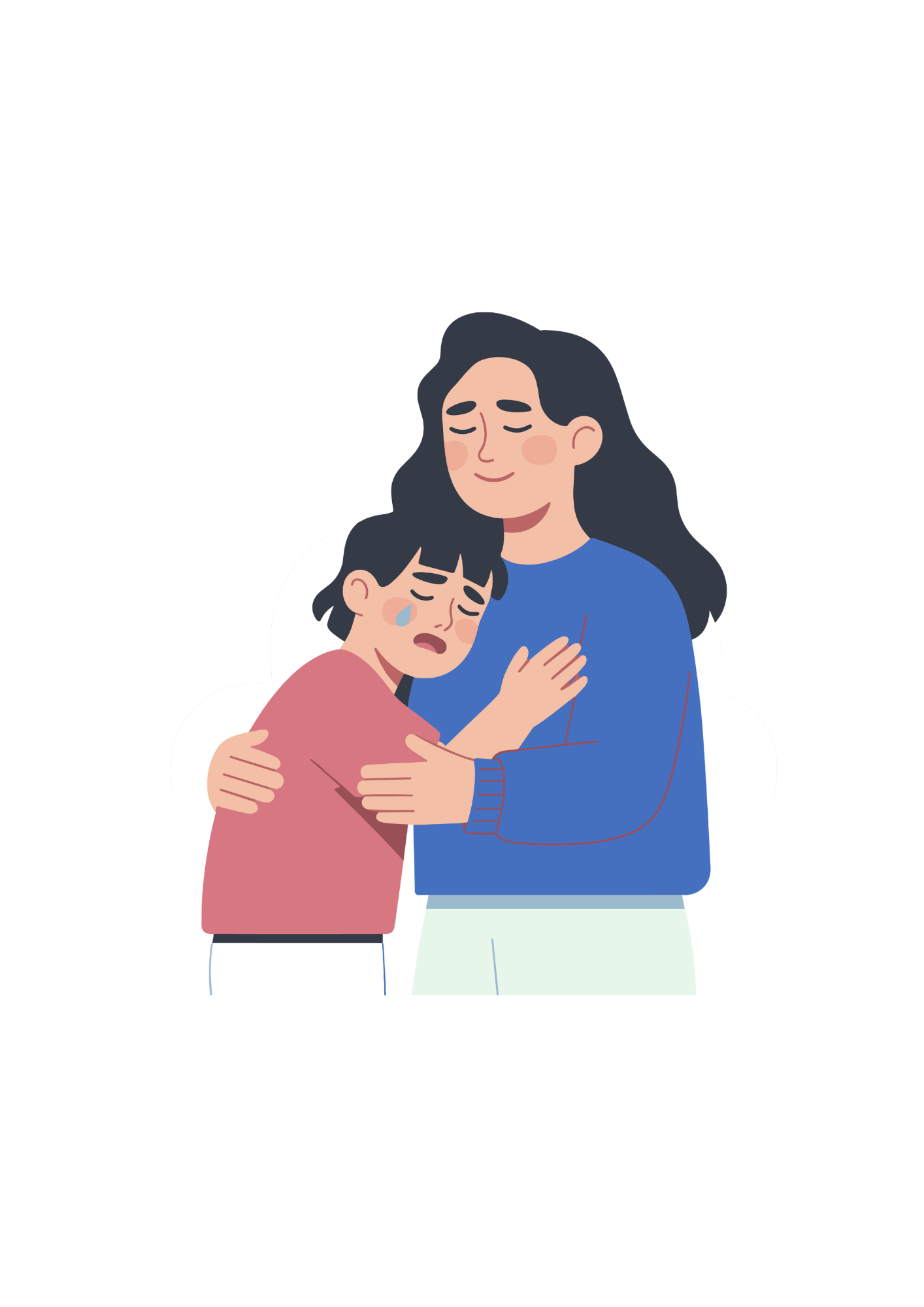
A trauma-informed response focuses on safety, empathy, and consistency. Caregivers can support by listening calmly and without judgement, validating the child’s feelings, and communicating clearly that they are not to blame. Predictable routines and firm but fair boundaries help to restore a sense of security.
When we shift from asking, “What’s wrong with you?” to “What happened to you?”, we create space for understanding and healing.
Supporting Children in Moments of Distress
In moments of distress, the priority is to help the child feel emotionally
safe rather than to gather detailed information. Gentle presence, patient listening, and reflecting their feelings are often more supportive than repeated questioning.
Simple responses such as, “That sounds really hurtful” or “I’m here with you” can be deeply reassuring. When children are given time and space to share at their own pace, trust and emotional regulation can gradually be rebuilt.
If the distress persists or significantly affects daily functioning, seeking professional support is important. Early, trauma-informed intervention can help children process their experiences, rebuild confidence, and regain a sense of safety
Helping Children Thrive
Creating psychologically safe environments requires a collective effort. Caregivers, educators, and community partners all play a vital role in modelling respect, responding promptly to bullying, and fostering inclusive school cultures. When children feel seen, heard, and protected, resilience can flourish.
We believe every child deserves to learn in an environment where they feel safe, valued, and empowered to grow. By recognising the impact of sustained peer harm and responding with compassion and knowledge, we can transform everyday school experiences into opportunities for resilience and hope.